

Are you planning to start a career as a Medical Virtual Assistant but not sure what skills actually matter? You’re not alone, many aspiring MAs worry they need years of experience or a medical degree. The truth is, success in this field comes from mastering specific skills that make healthcare providers’ lives easier, not memorizing every medical term.
Here are the top in-demand skills every Medical VA needs in 2025 (plus practical ways to learn them quickly!).
🩺 1. EMR (Electronic Medical Record) Proficiency
Why it matters:
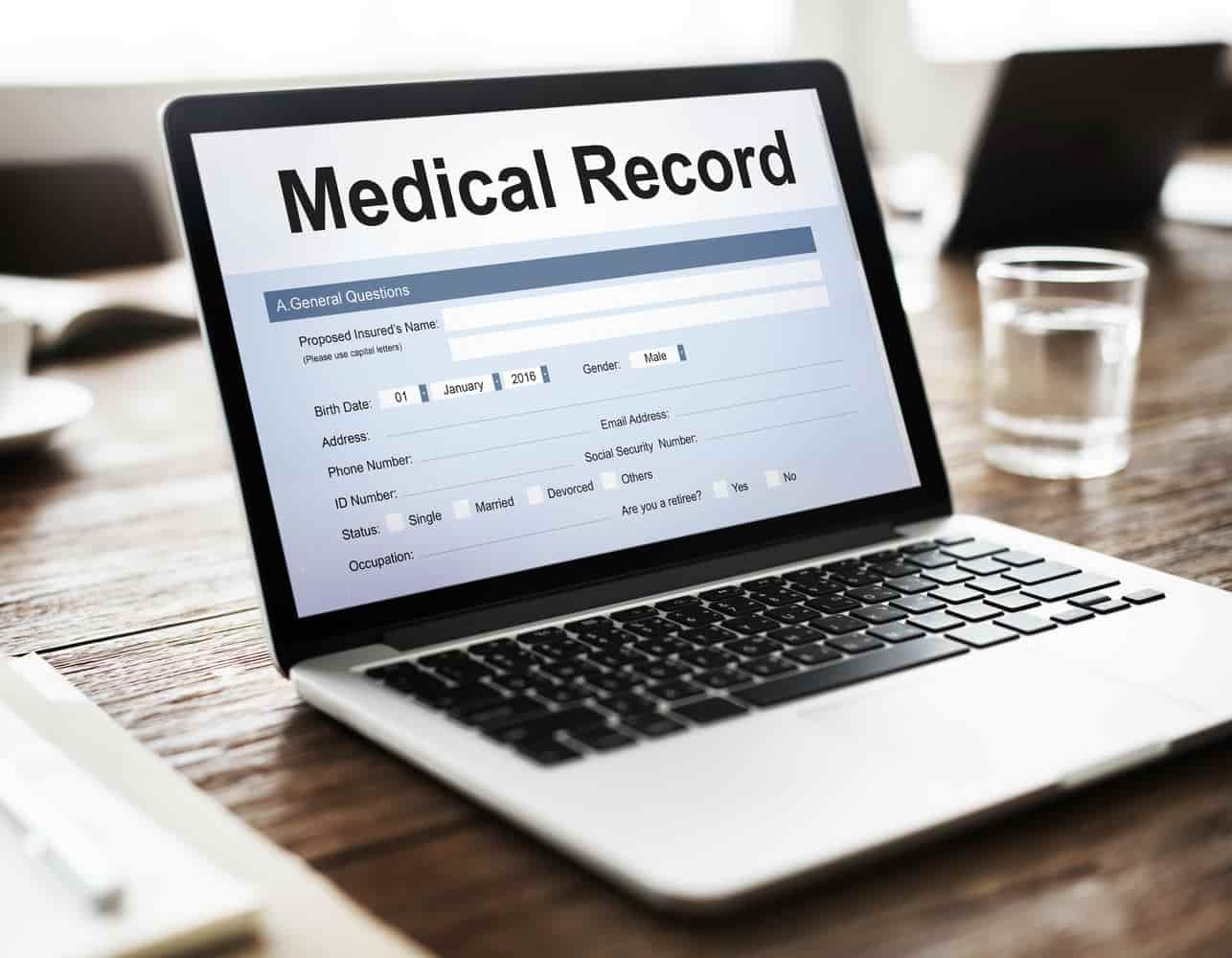
Every healthcare office uses EMRs to manage patient data, track appointments, and document care. Knowing how to navigate systems like Epic, Cerner, or Kareo can make you a valuable part of any healthcare team.
What to learn:
- How to input, update, and organize patient records
- Understanding EMR workflow and confidentiality
- Common EMR functions (appointment booking, charting, reporting)
📘 Learn it faster: EHR (Electronic Health Record) Mini Course eBook
🔐 2. HIPAA Compliance

Why it matters:
Handling patient data means understanding privacy and confidentiality laws. HIPAA isn’t optional — it’s the foundation of patient trust.
What to learn:
- What counts as Protected Health Information (PHI)
- How to securely handle patient files
- Common HIPAA mistakes and how to avoid them
📘 Learn it faster: HIPAA Essentials for Medical Virtual Assistants
🗂️ 3. Administrative and Organizational Skills

Why it matters:
Medical VAs often juggle tasks like scheduling, billing, managing emails, and following up on insurance claims. Being organized keeps the practice running smoothly.
What to learn:
- Patient scheduling and calendar management
- Medical billing basics
- Inbox and record management
📘 Learn it faster: Patient Scheduling and Appointment Mini Course eBook
💬 4. Professional Communication

Why it matters:
You’ll often be the first point of contact for patients and healthcare staff. Professional communication builds trust and keeps misunderstandings to a minimum.
What to learn:
- Handling patient calls and messages
- Writing clear and polite emails
- Medical office etiquette
📘 Learn it faster: Medical Office Communication and Etiquette Mini Course eBook
⏰ 5. Time Management & Organization for Remote Work

Why it matters:
Balancing multiple clients or tasks means you’ll need a strong system to stay on top of deadlines and daily responsibilities.
What to learn:
- Prioritization strategies
- Task tracking tools (like Asana or Trello)
- Setting healthy work boundaries to avoid burnout
📘 Learn it faster: Time Management and Organization Mini Course eBook
🧠 6. Understanding Medical Terminologies

Why it matters:
You don’t need to memorize every medical term, but knowing the basics will help you communicate effectively with providers and patients.
What to learn:
- Common abbreviations and acronyms
- Basic anatomy and physiology
- How to read clinical notes and reports
📘 Learn it faster: Medical Terminologies Essentials Mini Course eBook
🎯 Closing Thoughts
Success as a Medical VA isn’t about being a doctor — it’s about mastering the right combination of skills and using them efficiently. Start small, stay consistent, and keep learning.
👉 If you’re ready to level up your career, our Medical VA Bootcamp will help you go from beginner to confident professional.
🎥 Want to learn more for free?
We share valuable tutorials and tips on our YouTube Channel — perfect for beginners who want to understand what it’s really like to work as a Medical VA.
👥 Looking for support and community?
Join other aspiring and experienced Medical VAs on our Facebook Page — a place to connect, ask questions, and grow together.
Your journey starts with a single skill — are you ready to take the first step?
 Subscribe to our newsletter